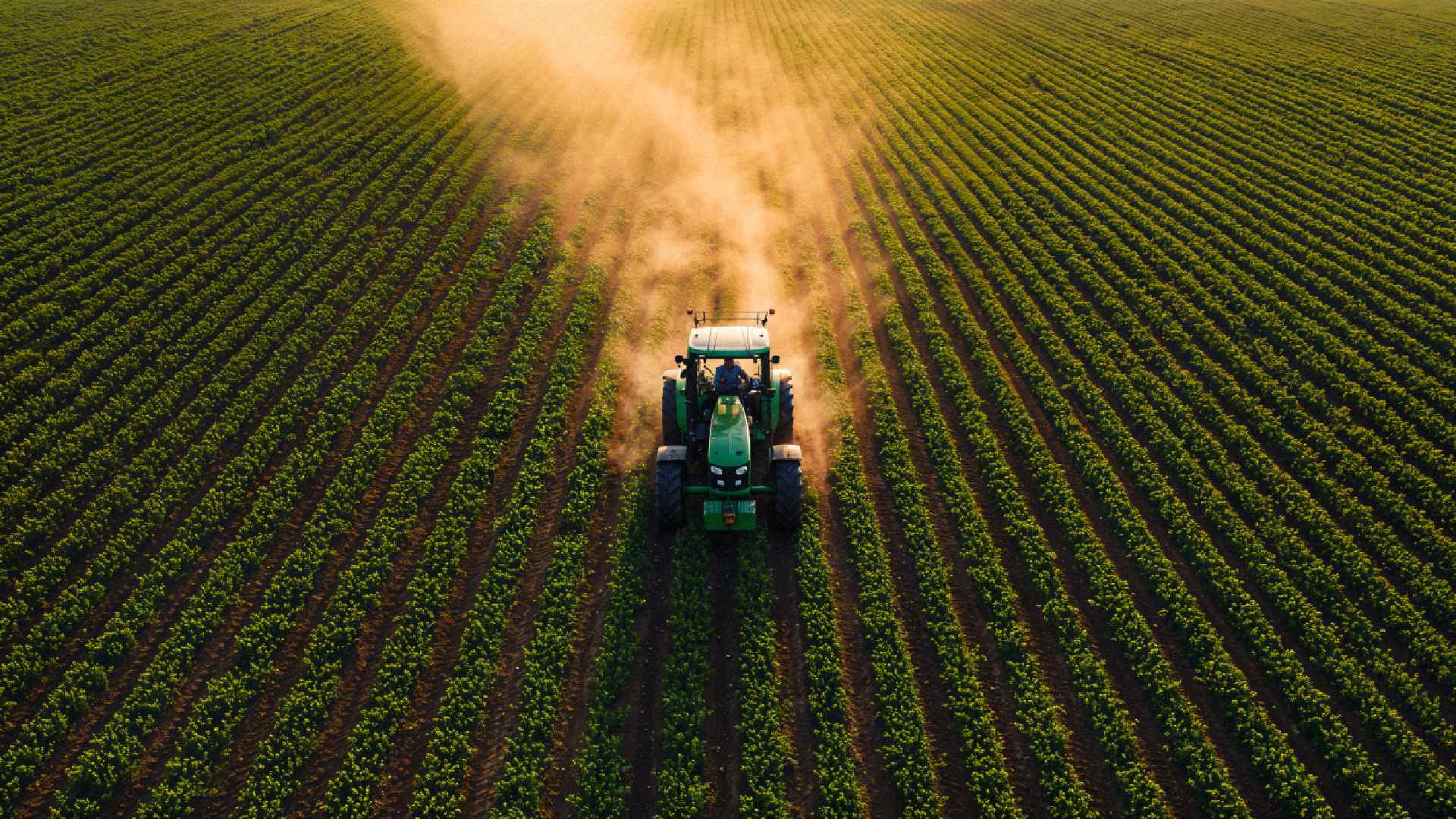
Agriculture is entering a new era driven by innovation, automation, and digital transformation. Smart farming technology is changing the way farmers grow crops, manage livestock, monitor fields, and increase productivity. By combining advanced tools such as artificial intelligence, drones, IoT sensors, automated machinery, and data analytics, modern agriculture is becoming more efficient, sustainable, and profitable.
As the global population continues to grow, the demand for food production is increasing rapidly. Traditional farming methods alone are no longer enough to meet future agricultural challenges. Smart farming provides modern solutions that help farmers reduce waste, improve crop quality, conserve natural resources, and maximize yields.
What is Smart Farming?
Smart farming, also known as precision agriculture, uses modern technologies to monitor, automate, and improve farming operations. Farmers collect real-time data from fields, weather systems, soil sensors, drones, and GPS-enabled equipment to make better farming decisions.
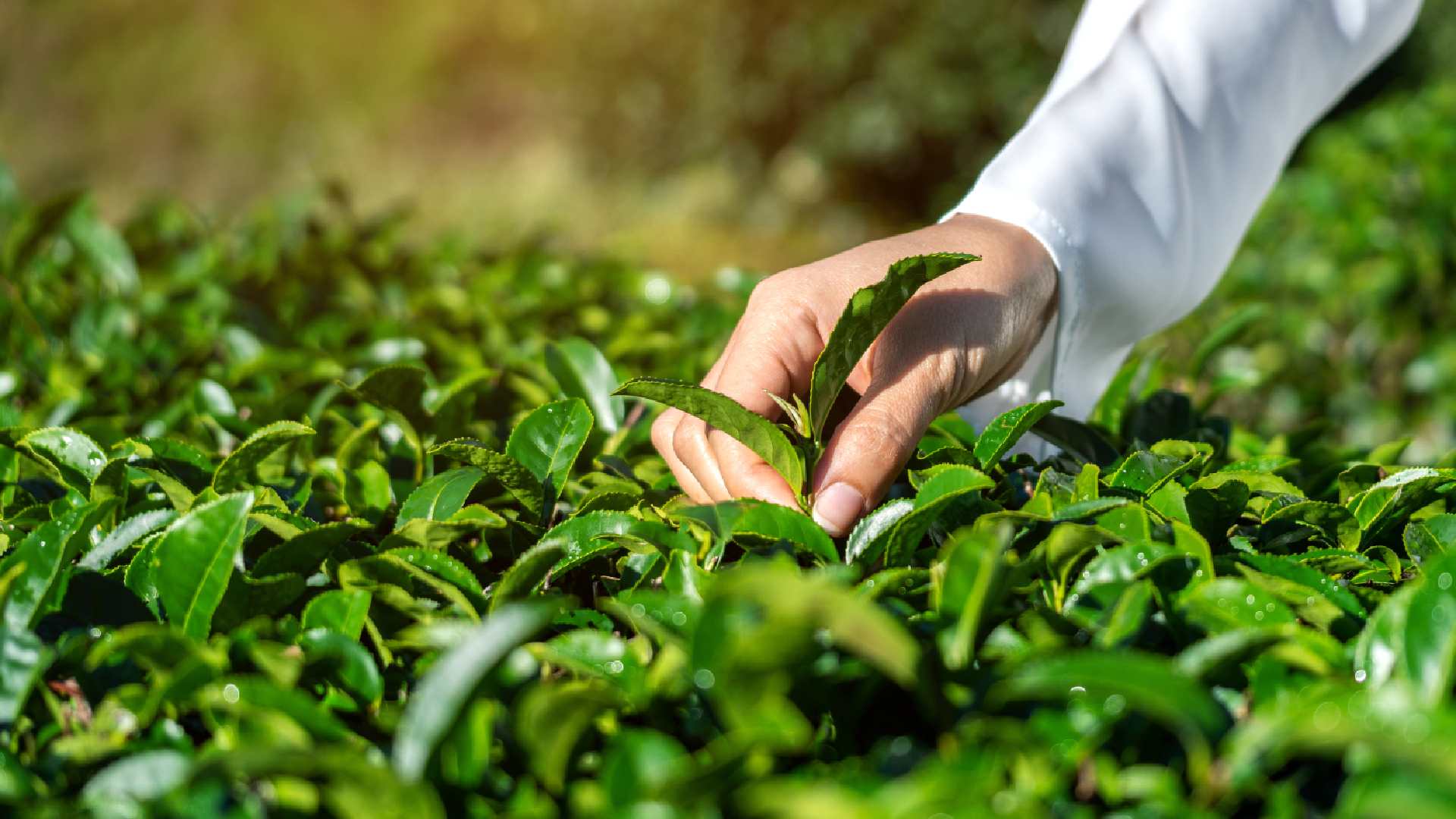
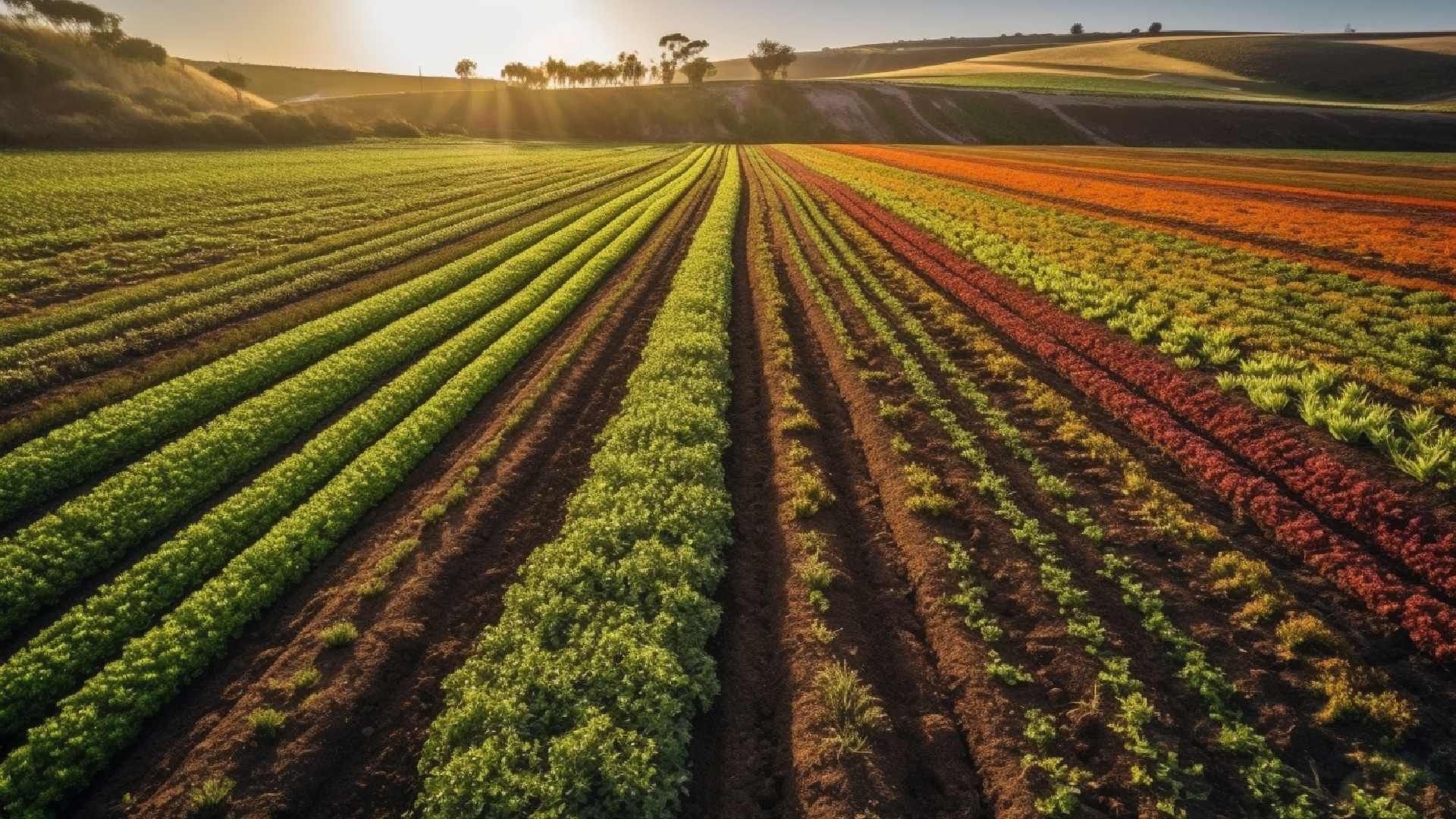
This technology-driven approach helps farmers:
Smart farming combines agriculture with digital innovation to create more productive and environmentally friendly farming systems.Farmers collect real-time data from fields, weather systems, soil sensors, drones, and GPS-enabled equipment to make better farming decisions.