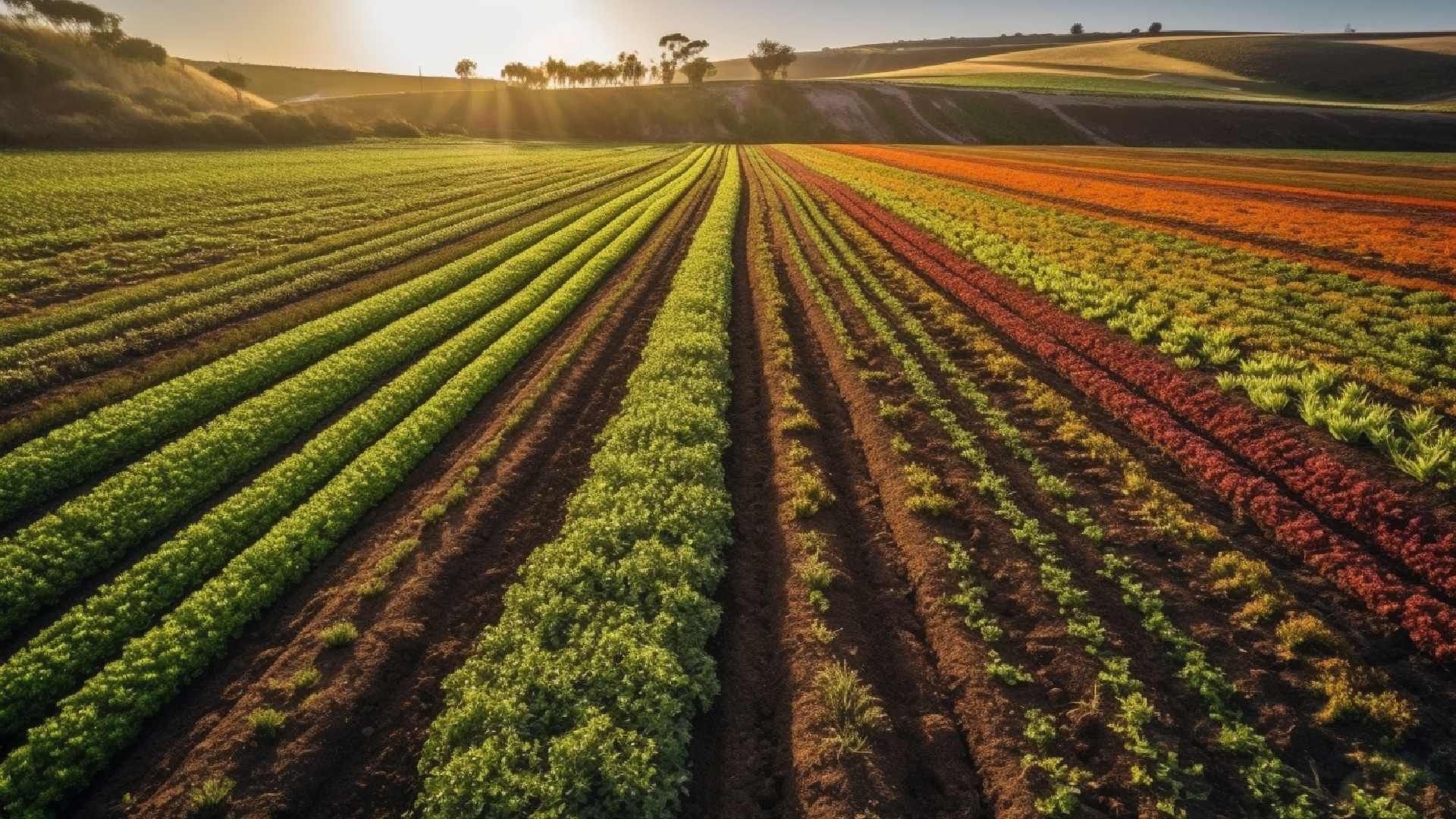
Healthy soil is the foundation of successful agriculture. Productive farming depends on nutrient-rich soil that supports strong plant growth, improves water retention, and protects crops from diseases. Without proper soil management, farms can experience reduced yields, nutrient depletion, erosion, and poor crop quality.
Modern farmers are increasingly adopting sustainable soil management practices to improve long-term agricultural productivity while protecting natural resources. By maintaining soil fertility and structure, farmers can create healthier growing environments and increase farm efficiency.Good soil management not only improves crop production but also supports environmental sustainability by reducing chemical dependency and preventing land degradation.
Why Soil Health is Important in Agriculture
Soil is much more than dirt. It is a living ecosystem filled with nutrients, microorganisms, organic matter, air, and water that work together to support plant life.Modern farmers are increasingly adopting sustainable soil management practices to improve long-term agricultural productivity while protecting natural resources. By maintaining soil fertility and structure, farmers can create healthier growing environments and increase farm efficiency.
Healthy soil helps farmers:
Poor soil management can lead to nutrient loss, compacted land, lower yields, and increased farming costs.
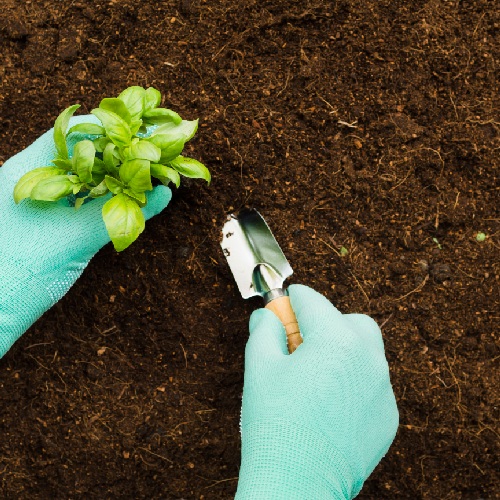
Soil health is one of the most important factors in successful agriculture. Proper soil management practices such as crop rotation, composting, cover cropping, efficient irrigation, and reduced tillage help farmers improve productivity while protecting the environment.
By investing in sustainable soil management, farmers can increase yields, reduce costs, and ensure long-term agricultural success. Healthy soil supports healthy crops, stronger ecosystems, and a more sustainable future for global agriculture.